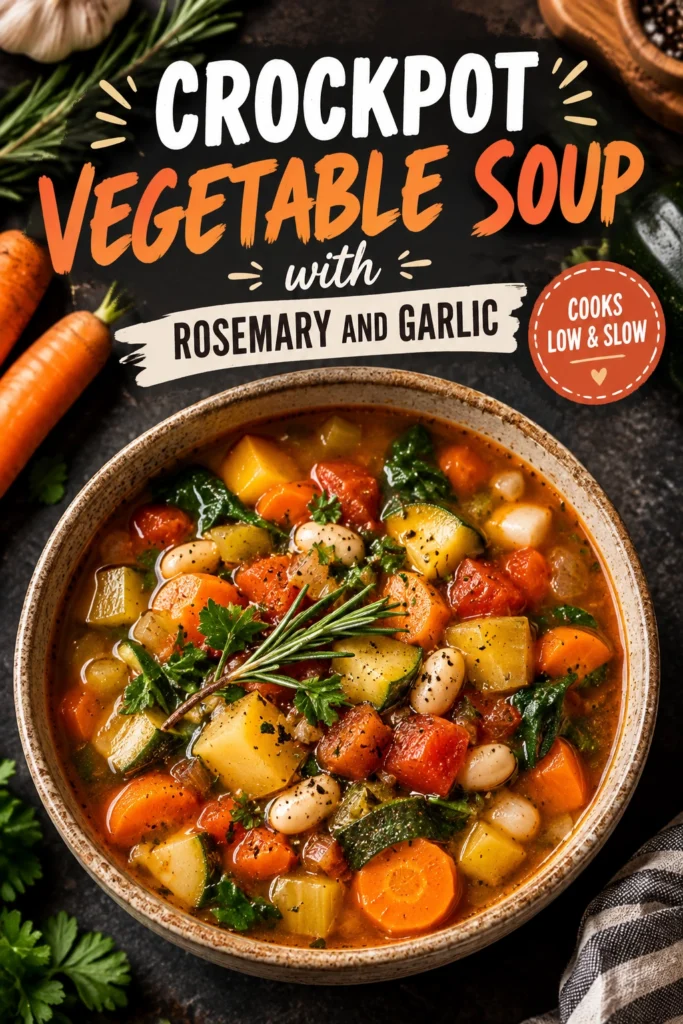
Warm bowls of garden-fresh vegetables simmered in a fragrant, garlic-infused broth create a comforting atmosphere in any kitchen. This soup balances the sweetness of root vegetables with the piney depth of fresh rosemary.
A slow cooker handles the long simmering process, allowing the flavors to meld without requiring constant supervision over a hot stove.
Home cooks appreciate how the rosemary softens over several hours, transforming from a sharp herb into a mellow, aromatic base that permeates every vegetable.
Unlike canned versions that often taste overly salty or metallic, this homemade soup relies on fresh aromatics and a clear vegetable stock for a clean, bright finish.
Anyone seeking a nutrient-dense meal that can be prepared in advance will find this recipe useful for their weekly routine.
Following a few simple preparation steps leads to a satisfying dinner that pairs well with crusty bread or a side salad.
- ●Why You’ll Love This Recipe
- ●A Brief Background on the Flavor Profile
- ●Perfect For Busy Weeknights and Meal Prep
- ●Root Vegetable Spotlight
- ●The Role of Garlic and Rosemary
- ●Key Ingredients
- ●How to Make It
- ●Pro Tips
- ●Delicious Variations
- ●Best Ways to Serve
- ●Storage and Leftovers
- ●Frequently Asked Questions
- ●Why This Recipe Belongs in Your Weekly Rotation
- ●Final Thoughts
Choosing this specific combination of herbs and vegetables results in a soup that feels sophisticated yet remains incredibly simple to execute.
- ●Fresh rosemary adds an earthy, woody note that elevates standard vegetable soup.
- ●The slow cooker method prevents the vegetables from becoming mushy if timed correctly.
- ●Garlic mellows during the long cook time, providing a sweet, savory undertone.
- ●It uses common pantry staples like carrots and potatoes, reducing the need for special shopping trips.
- ●The broth remains light and clear rather than thickening into a heavy stew.
- ●It serves as a versatile base that can be thickened with grains or legumes.
- ●Preparation takes less than twenty minutes before the crockpot takes over.
- ●The aroma filling the house during the day creates a welcoming environment.
- ●It provides a significant amount of vitamins and minerals in a single serving.
These elements combine to create a reliable meal that satisfies cravings for something warm and wholesome.
A Brief Background on the Flavor Profile |
The success of this soup depends on the interaction between the aromatic herbs and the natural sugars found in the vegetables. When carrots and onions cook slowly, they release sugars that balance the potency of the garlic.
Rosemary is a powerful herb that can easily dominate a dish if used in excess. In a slow cooker, the heat breaks down the resinous oils of the rosemary, integrating it into the broth for a cohesive flavor rather than isolated bursts of herb.
Adding a touch of acidity at the end of the cooking process brightens the earthy notes of the root vegetables and the woodiness of the rosemary, preventing the soup from tasting flat.
This approach ensures a complex taste profile that mimics a soup simmered on a professional stove for hours.
Perfect For Busy Weeknights and Meal Prep |
Setting the ingredients in the morning allows the soup to be ready the moment the front door opens after work. This eliminates the stress of active cooking during the busiest part of the day.
Large batches are ideal for Sunday meal prep. Dividing the soup into individual containers provides a healthy lunch for the entire week that tastes better as the flavors continue to develop.
Family dinners benefit from the hands-off nature of the crockpot, giving parents more time to focus on their children rather than stirring a pot. It is also a gentle way to introduce children to a wider variety of vegetables.
During the holiday season, this soup acts as a light starter for heavier meals, similar to the aromatic qualities found in Sage Cornbread Stuffing With Rosemary And Garlic Easy Thanksgiving Side Dish
Root Vegetable Spotlight |
Carrots and potatoes form the structural heart of this soup. They provide a satisfying chew and a natural sweetness that anchors the broth.
Potatoes release a small amount of starch during the slow cooking process, which gives the broth a slightly silkier mouthfeel without the need for cream or flour. Carrots maintain their color and a hint of firmness, adding visual appeal and a necessary nutritional boost.
The Role of Garlic and Rosemary |
Garlic acts as the primary flavor bridge, connecting the sweetness of the vegetables to the saltiness of the broth. When slow-cooked, raw garlic loses its pungent bite and becomes mellow and savory.
Rosemary provides the signature aromatic quality of the dish. Its pine-like scent creates a cozy, autumnal feeling that makes the soup feel more substantial. Using fresh sprigs allows the herb to infuse the liquid gradually, ensuring the flavor is evenly distributed throughout the entire pot.
Key Ingredients |
Each component is selected to contribute a specific texture or flavor note to the final dish.
- ●Carrots — provides natural sweetness and a bright orange color.
- ●Celery — adds a salty, herbal base note essential for classic soup.
- ●Onions — creates a savory foundation that deepens as it cooks.
- ●Potatoes — adds heartiness and a slight thickness to the broth.
- ●Garlic — delivers a rich, pungent aroma that mellows over time.
- ●Fresh Rosemary — contributes a woody, evergreen scent and flavor.
- ●Vegetable Broth — the liquid base that carries all the infused flavors.
- ●Diced Tomatoes — adds a slight acidity to balance the earthy root vegetables.
- ●Olive Oil — used for lightly sautéing aromatics if preferred.
- ●Salt and Black Pepper — basic seasonings to enhance the natural flavors of the produce.
How to Make It |
Preparation is straightforward, focusing on uniform chopping to ensure every vegetable cooks at the same rate.
- Prepare the vegetables: Dice the carrots, celery, and onions into even half-inch pieces. Cut the potatoes into slightly larger chunks, as they can break down more easily than carrots during a long cook cycle.
- Sauté the aromatics: Heat olive oil in a pan and lightly cook the onions and garlic for three minutes. While this step is optional for a crockpot, it removes the raw edge of the garlic and adds a layer of toasted flavor to the base.
- Combine in the crockpot: Place the sautéed onions, diced carrots, celery, and potatoes into the slow cooker. Stir in the diced tomatoes with their juices to ensure the acidity is distributed evenly.
- Add the herbs and liquid: Pour the vegetable broth over the vegetables until they are fully submerged. Tuck the fresh rosemary sprigs into the liquid; keeping them whole makes it easier to remove the woody stems before serving.
- Set the cooking time: Cover the pot and set it to low for 7 to 8 hours or high for 4 hours. Cooking on low is generally preferred as it prevents the potatoes from disintegrating into a mash.
- Season and finish: Remove the rosemary stems and stir in salt and pepper to taste. If the broth feels too heavy, a small squeeze of lemon juice or a teaspoon of apple cider vinegar will brighten the entire pot.
1Small adjustments during the process can significantly improve the final result.
- ●2Uniform cutting: Keep vegetable pieces similar in size so that nothing is overcooked while other pieces remain raw.
- ●3Fresh over dried: Use fresh rosemary if possible, as dried rosemary can become overly bitter and needle-like in a slow cooker.
- ●4Avoid overfilling: Leave about an inch of space at the top of the crockpot to prevent boil-overs and ensure heat circulates efficiently.
- ●5Staggering additions: If using frozen peas or spinach, add them in the last 30 minutes of cooking to keep them vibrant and firm.
- ●6Broth selection: Use a low-sodium vegetable broth to maintain control over the salt levels, as the liquid reduces slightly during cooking.
Delicious Variations |
This recipe serves as a versatile template that can be adapted based on what is available in the pantry.
- ●Hearty Grain Version: Stir in half a cup of pearl barley or quinoa during the last two hours of cooking for added protein and texture.
- ●Creamy Twist: Stir in a splash of heavy cream or coconut milk at the end for a richer, more velvety broth.
- ●Autumnal Blend: Replace half the carrots with cubed butternut squash or pumpkin for a sweeter, denser soup.
- ●Green Boost: Add chopped kale or Swiss chard during the final 30 minutes of simmering for extra nutrients.
- ●Protein Addition: Add canned cannellini beans or chickpeas for a filling, plant-based protein source.
These changes allow the soup to fit various dietary needs while maintaining the core rosemary and garlic profile.
Best Ways to Serve |
Presenting the soup with the right accompaniments enhances the overall dining experience.
- ●Serve in wide ceramic bowls with a sprinkle of fresh parsley on top.
- ●Pair with a toasted sourdough baguette rubbed with a raw garlic clove.
- ●Accompany with a crisp green salad tossed in a lemon vinaigrette to cut through the richness.
- ●Add a dollop of pesto or a swirl of olive oil to the surface of the soup just before serving.
For those who enjoy a more substantial meal, this soup complements other slow-cooked dishes. For instance, it pairs well with the savory notes of Crockpot Pork Chops With Garlic And Herbs Easy Slow Cooker Dinner Idea
Serving the soup with a side of cheesy garlic bread provides a satisfying contrast in texture between the soft vegetables and the crunchy toast.
Storage and Leftovers |
Refrigerating
Store the soup in airtight glass containers in the refrigerator for up to 5 days. Keep the containers sealed tightly to prevent the soup from absorbing other fridge odors.
Reheating
Warm the soup on the stove over medium heat until it reaches a simmer. If the broth has thickened too much in the fridge, stir in a tablespoon of water or vegetable broth to restore the consistency.
Freezing
Freeze the soup in freezer-safe bags or containers for up to 3 months. Thaw overnight in the refrigerator before reheating on the stove or in the microwave.
Frequently Asked Questions |
- ●Q: Can I use dried rosemary instead of fresh?A: Yes, you can use dried rosemary, but use only one-third of the amount called for in the recipe. Dried herbs are more concentrated and can become bitter if used in the same quantity as fresh sprigs.
- ●Q: Why are my vegetables mushy after slow cooking?A: Vegetables become mushy when cooked on the high setting for too long or when cut into pieces that are too small. Using the low setting and keeping chunks larger helps maintain a better texture.
- ●Q: Is this recipe suitable for a vegan diet?A: This recipe is naturally vegan as long as you use a certified vegan vegetable broth and olive oil. It provides a filling, plant-based alternative to traditional meat-based soups without sacrificing flavor or depth.
- ●Q: How do I stop the soup from being too salty?A: If the soup tastes too salty, add a peeled, halved potato and simmer it for 30 minutes, then remove it; the potato absorbs some salt. Alternatively, stir in a bit more water or unsalted broth.
- ●Q: Can I add pasta to this vegetable soup?A: It is best to cook pasta separately and add it to the bowl before pouring the soup over it. Cooking pasta directly in the crockpot can make the noodles soggy and absorb too much broth.
Why This Recipe Belongs in Your Weekly Rotation |
Maintaining a healthy diet often feels challenging when time is limited. This soup solves that problem by providing a nutrient-dense meal that requires almost no active effort once the ingredients are in the pot.
The combination of garlic and rosemary creates a flavor profile that feels like a treat rather than a chore. It satisfies the need for comfort food while remaining light enough for a weekday lunch or dinner.
Because it stores so well, this recipe reduces food waste by utilizing a variety of vegetables from the crisper drawer. It is a reliable, flexible, and aromatic addition to any home cook’s repertoire.
Final Thoughts |
This Crockpot Vegetable Soup blends the rustic flavors of rosemary and garlic with a hearty mix of root vegetables. The slow cooking process allows the ingredients to meld into a cohesive, comforting broth that is both healthy and satisfying.
Preparing this dish allows for a stress-free evening, as the heavy lifting is done cooker throughout the day. It is an ideal choice for anyone wanting to increase their vegetable intake without spending hours in the kitchen.
Gather your favorite vegetables and let the aromatic scent of rosemary transform your home into a cozy sanctuary tonight.
Crockpot Vegetable Soup with Rosemary and Garlic
- Total Time: 8 hours 20 minutes
- Yield: 6 servings 1x
Description
A hearty and aromatic vegetable soup infused with fresh rosemary and mellow garlic, slow-cooked to perfection for a comforting, nutrient-dense meal.
Ingredients
- 2 tablespoons olive oil
- 1 medium yellow onion, diced
- 4 cloves garlic, minced
- 3 large carrots, sliced into rounds
- 2 stalks celery, diced
- 3 medium gold potatoes, cubed
- 1 can (14.5 oz) diced tomatoes
- 6 cups vegetable broth
- 2 sprigs fresh rosemary
- 1 teaspoon salt
- 1/2 teaspoon black pepper
- 1 tablespoon lemon juice
Instructions
- Heat olive oil in a skillet over medium heat and sauté the diced onion and minced garlic for 3-5 minutes until translucent.
- Transfer the sautéed onion and garlic into the slow cooker.
- Add the sliced carrots, diced celery, cubed potatoes, and diced tomatoes with their juices to the pot.
- Pour in the vegetable broth and tuck the fresh rosemary sprigs into the liquid.
- Cover the slow cooker and cook on Low for 7-8 hours or High for 4 hours.
- Remove the rosemary stems and discard them.
- Stir in salt, black pepper, and lemon juice to taste before serving.
- Prep Time: 20 minutes
- Cook Time: 8 hours
- Category: Dinner
- Method: Slow Cooking
- Cuisine: American